

Print-on-demand for a sustainable textile industry
Reduce overproduction, waste of resources and CO₂ - with an environmentally friendly print-on-demand solution that strengthens your brand and protects the environment.
The dark side of the textile industry...
The textile industry is one of the biggest polluters in the world. Conventional mass production generates tons of waste every year. The main reasons for this are inaccurate forecasts and the fast pace of fashion.
of global CO₂ emissions come from the fashion industry
of the world's wastewater is produced during textile dyeing
of all garments produced are never sold

How we make print-on-demand more sustainable
✅ On-demand instead of mass production
Thanks to print-on-demand, Shirtigo only produces what is actually ordered. In this way, we avoid overproduction, save resources and prevent unnecessary textile waste - without any minimum quantity.

✅ Environmentally friendly printing technologies
We print with water-based, biodegradable inks on modern, energy-saving machines. This reduces harmful substances without compromising on quality.
✅ Responsible and sustainable packaging
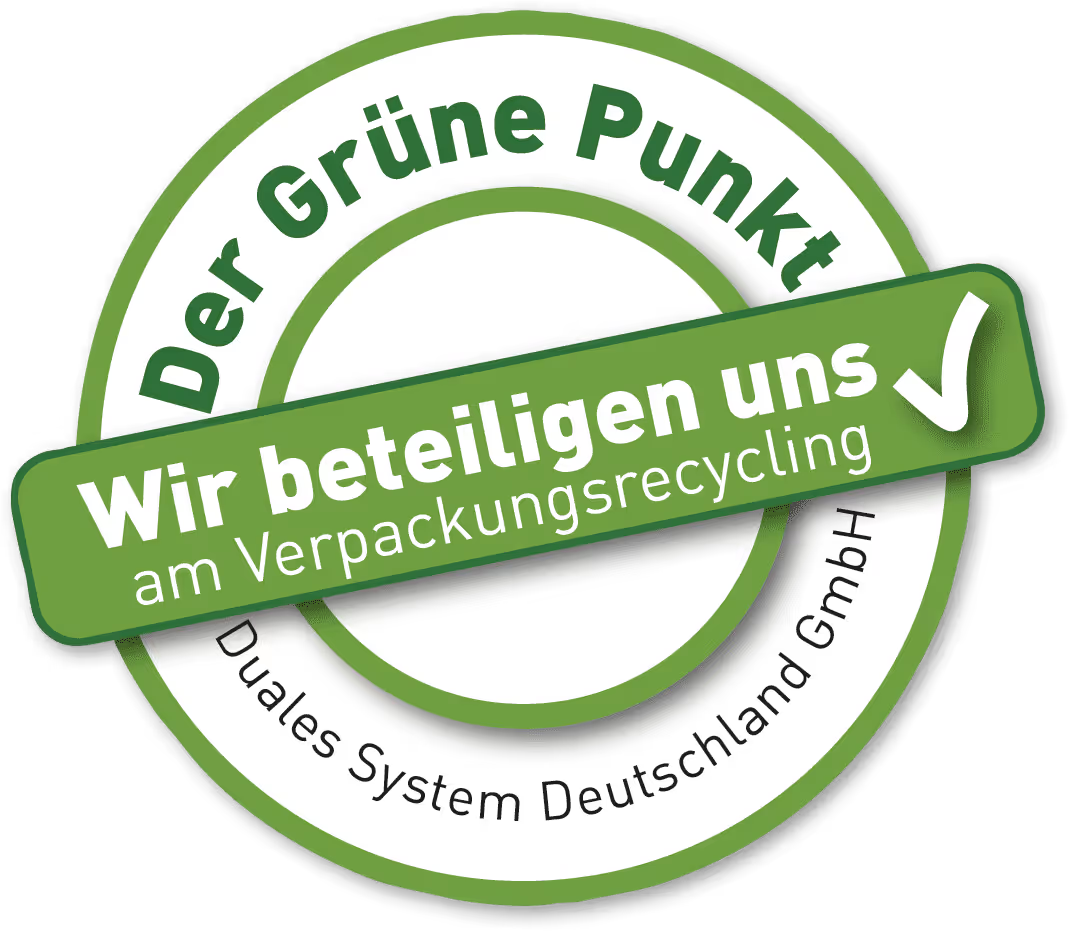
All our shipping packaging is licensed with the Green Dot. This ensures that they are recycled properly. With us, you automatically meet all the requirements of the German Packaging Act.

Gemeinsam für eine verantwortungsvolle Produktion
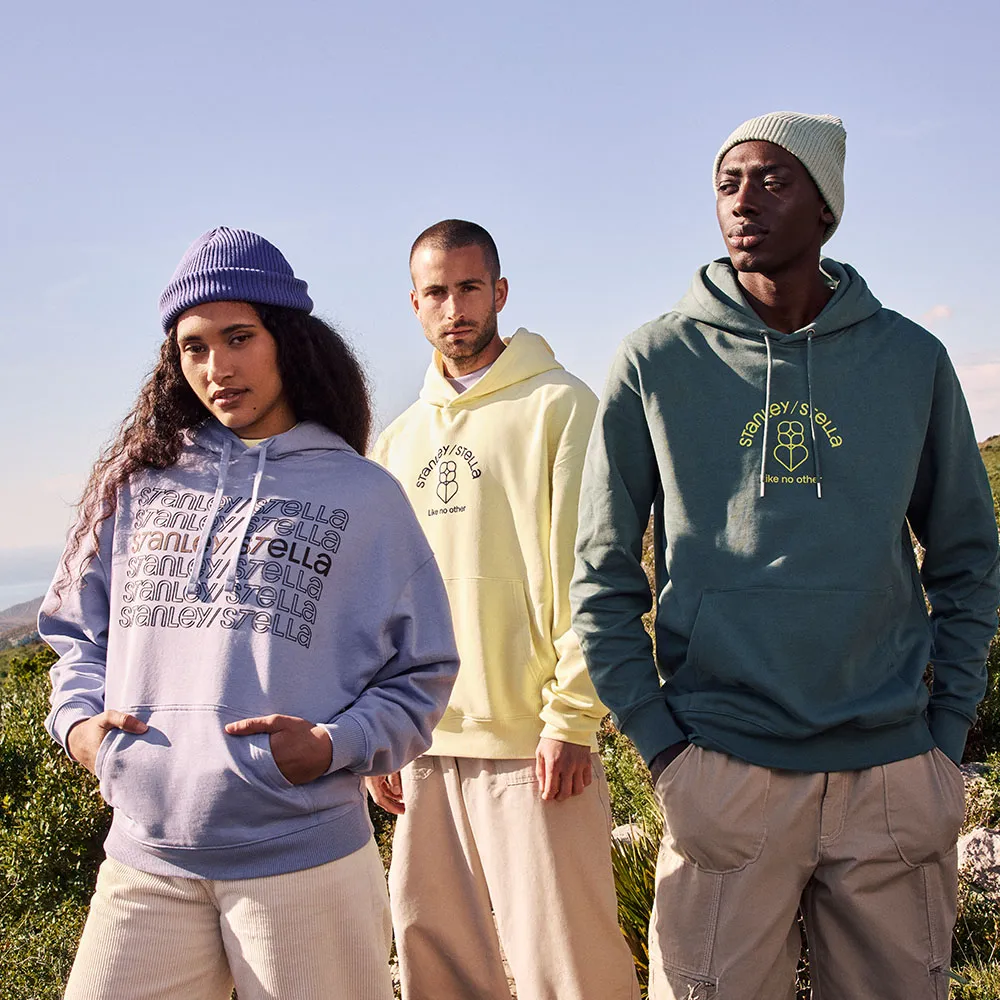
Mit der Organic-Linie von Stanley/Stella setzen wir auf hochwertige Textilien aus nachhaltigen Naturfasern wie Bio-Baumwolle. Der belgische Hersteller steht für faire Arbeitsbedingungen, Transparenz entlang der gesamten Lieferkette und eine umweltfreundliche Produktion – zertifiziert nach GOTS, OEKO-TEX® und weiteren führenden Standards.

Raw materials from sustainable cultivation
The organic cotton used for our organic products is obtained from GMO-free seeds and grown without chemical pesticides or fertilizers. Natural cultivation methods improve soil quality, strengthen biodiversity and sustainably promote farmers' livelihoods.
Transparent supply chain & fair working conditions
Our textile partner Stanley/Stella produces in selected factories in Asia under strict social standards. The focus here is on responsibility along the entire supply chain: regular audits ensure fair wages, safe working conditions and respectful treatment of all employees.
Plastic-free packaging to the front door
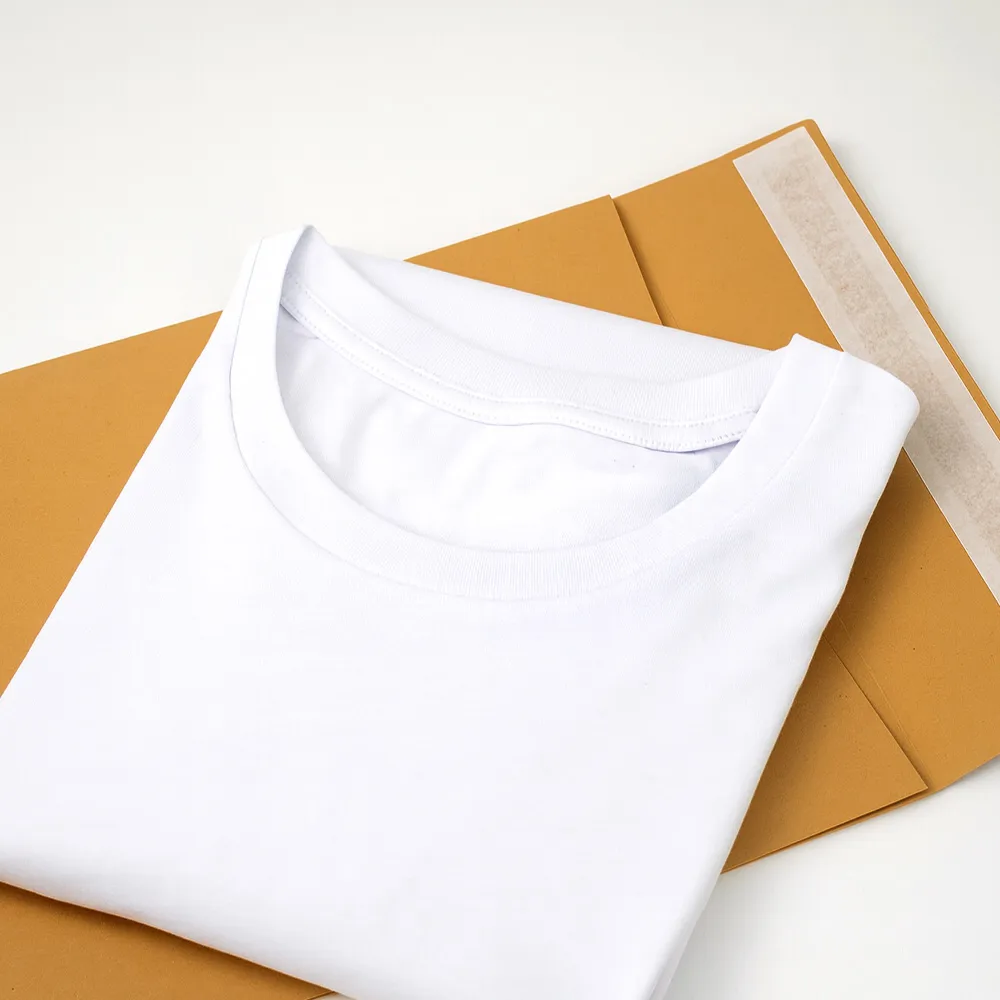
We rely on sustainable packaging solutions without any plastic. Instead of conventional shipping bags, we use plastic-free alternatives and, on request, offer individual packaging made of glassine, a recyclable, resource-saving material. Our shipping boxes are made from recycled paper - robust, environmentally friendly and 100% recyclable.

Pass on instead of throwing away
Misprints and returns do not end up in the trash with us.
To conserve resources and extend the lifespan of our textiles, we donate unsellable goods to social institutions and non-profit organizations. Among the recipients are the German Red Cross and the Cologne streetwear project Hehlerei.
Cleanly produced with green electricity
Our production runs on electricity from 100% renewable energy - sourced from the certified supplier MONTANA. This means we not only avoid CO₂ emissions, but also the generation of radioactive waste - and conserve natural resources sustainably.

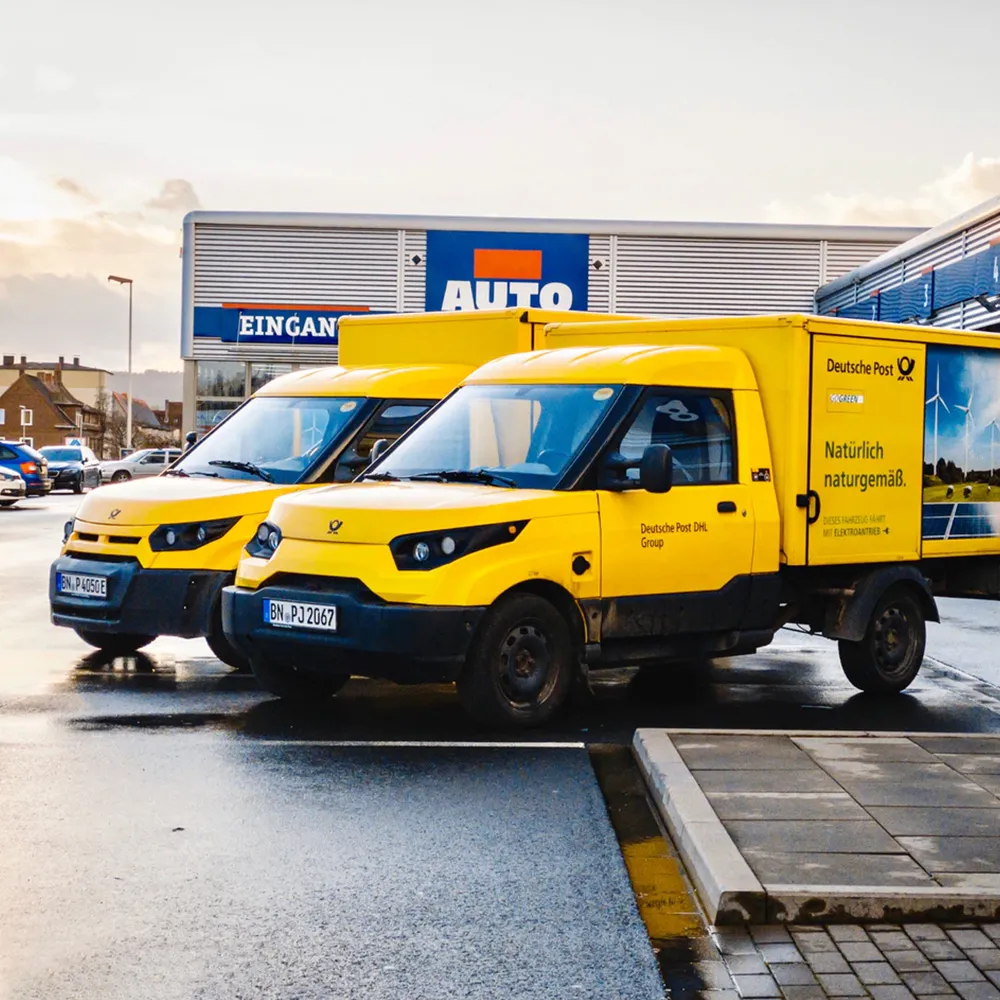
Climate-neutral shipping with DHL GoGreen
Our shipping partner DHL GoGreen offsets the resulting greenhouse gas emissions through certified climate protection projects. We are already actively using this service and are continuously working on expanding climate-neutral shipping to all areas of our shipping operations.
Frequently asked questions
Why is print-on-demand sustainable?
In stationary textile retail, the destruction of unsold clothing items occurs frequently. With the Print-on-Demand process, overproduction is fundamentally avoided, as each textile is only refined upon order. This ensures that only necessary resources are utilized.
Moreover, CO2 emissions are reduced, as the order is shipped directly to the customer, thereby eliminating a delivery route.
How environmentally friendly are the DTG printing machines & printing inks?
We use the state-of-the-art digital printing machines from the renowned manufacturer Kornit. The printers are characterized by their minimal water consumption and pollution.
The printing inks are NeoPigment inks from Kornit, which are water-based and biodegradable. In addition, they contain no toxic substances and are safe for toddlers and babies.
Where is green electricity used in your area?
We use green electricity for the storage, printing, and handling of our print products. This is green electricity from 100% renewable energies from MONTANA Energie. The energy supplier is certified according to TÜV SÜD Standard QED and can showcase various awards, such as "Regional Green Electricity Provider" and "Top Green Electricity Provider".
Are the organic products actually produced sustainably?
Yes, because our organic products are made from cotton of organic quality. It is a natural fiber that is free from genetic engineering and uses significantly less water than conventional cotton. Furthermore, no chemicals such as artificial fertilizers and pesticides are used in its production.
To ensure this, the textiles are certified according to the GOTS (Global Organic Textile Standard) quality seal. This is one of the strictest certifications for textiles made from ecological fibers, which tracks the entire production chain from cotton fields to export.
For certain organic sweatshirts, polyester is additionally used, which has been recycled.
How does climate-neutral shipping work?
Behind the climate-neutral shipping lies DHL's environmental protection program GoGreen. The program includes climate protection projects to offset transport-related greenhouse gases. This balances out the CO2 emissions.
Currently, we offer this service for a portion of our orders. We aim to provide climate-neutral shipping for all products in the long term.
Where do misprints and returns land?
We regularly donate misprints and returns to various recipients to protect them from destruction. One of our main recipients is the creative streetwear label Hehlerei, which reprocesses the non-resalable textiles using upcycling techniques.
Another recipient of donations is the German Red Cross (DRK), which passes the textiles on to the DRK clothing bank for those in need or the Red Cross shop for people with low income.